

A small drip behind a wall or under a slab can go unnoticed for months — quietly driving up your water bill and causing real damage. Here's how to catch hidden leaks early. They carry dozens of dangerous diseases, destroy wiring and pipes, and contaminate food. We encounter them in American homes more often than you might think – according to statistics, almost every third household deals with a plumbing problem at some point.
The cause is usually simple: pressure and age.
Drain leaks tend to hide under sinks and tubs, while supply-line leaks pop up at water heaters and behind washing machines. The worst leaks settle inside finished walls and slab foundations.
Online you will find hundreds of tips and "quick fixes" – from hardware-store epoxy putty to wrapping tape around a joint. Most of the time they hold only briefly, or not at all. Water finds the path of least resistance, and a patch on the symptom rarely solves the source. Worse, a botched DIY repair can turn a slow drip into a flooded room while you're at work.
Licensed plumbers combine several steps:
The result is not just a patched drip, but a complete, lasting fix to the problem.
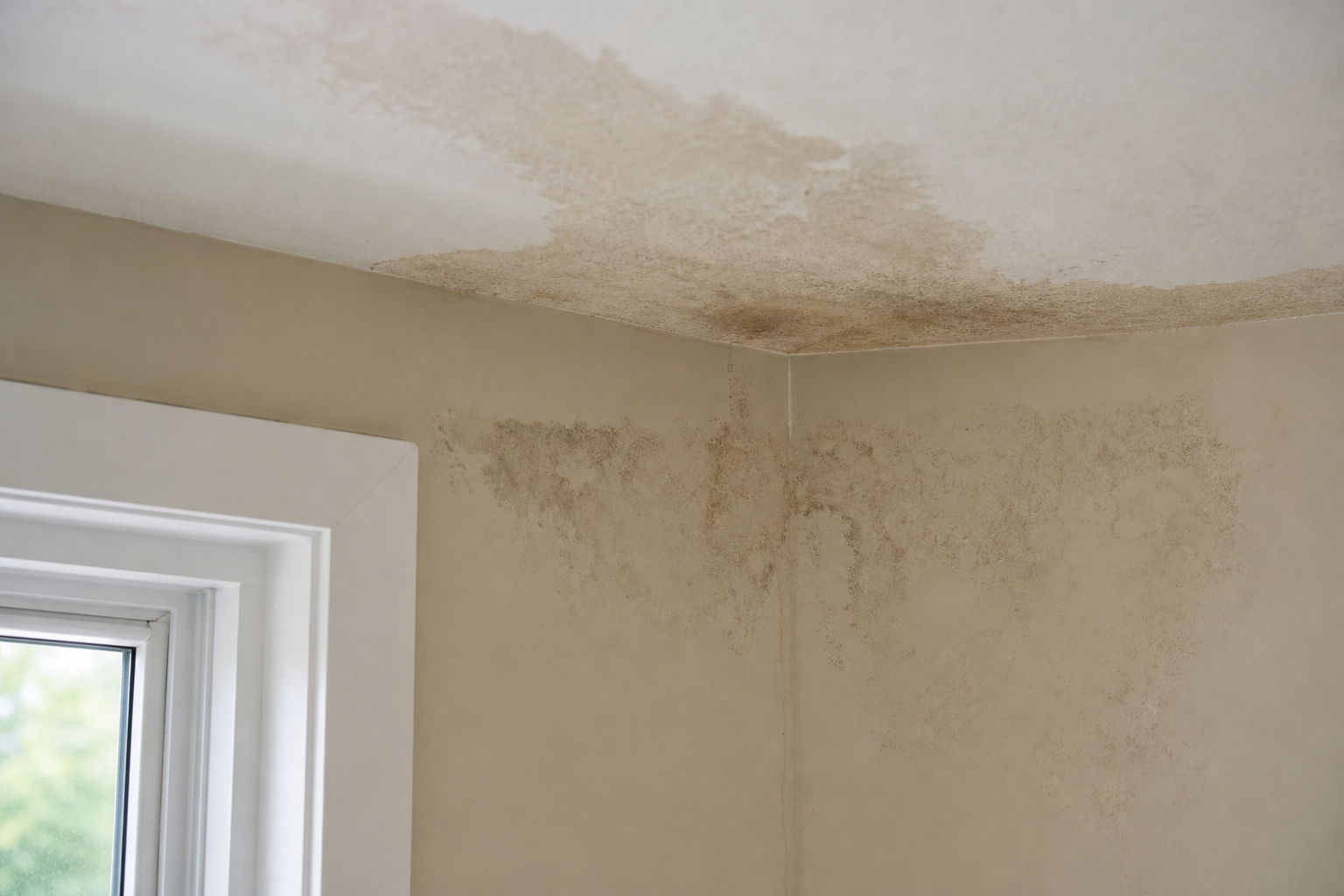
If you see water stains on ceilings, warped flooring, smell musty mold or hear running water when every tap is off, it is time to act. Water damage spreads extremely fast, and a small drip can become a major repair within just a few weeks.